Exoskeletons
Industrial exoskeletons reduce strain during repetitive lifting, tool holding and overhead work. They are sold by quote to businesses, delivered with the documents you need to import them.
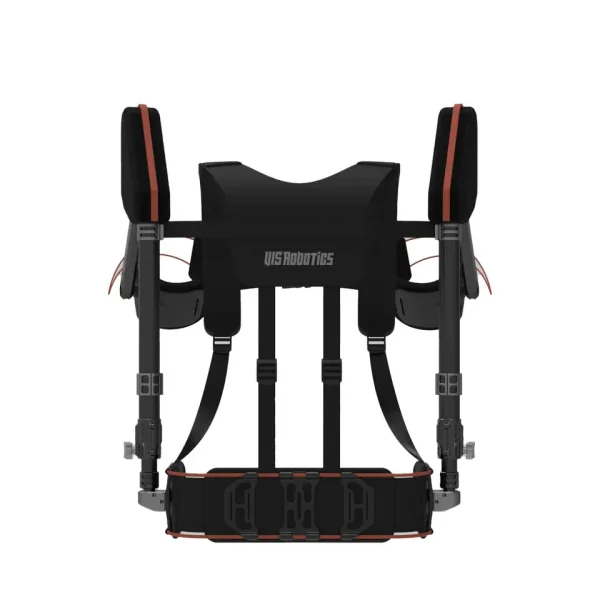
Energy-Storing Upper-Limb Exoskeleton for Tool Handling
Passive, energy-storing support for both arms
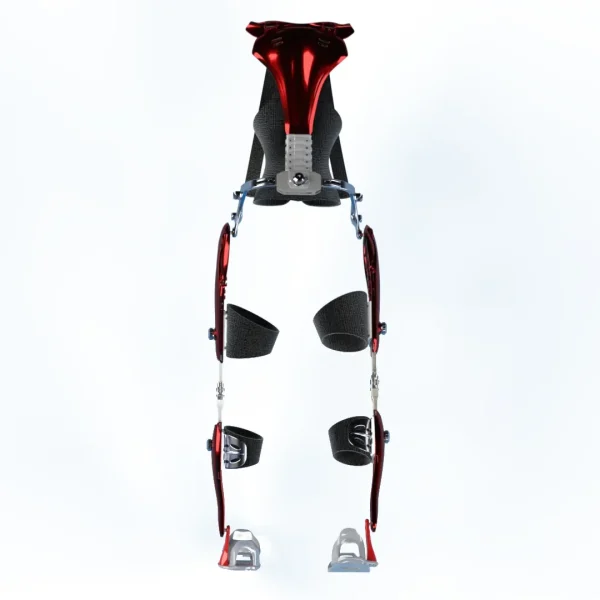
Passive Back and Knee Support Exoskeleton with Biomimetic Spine
Motor-free mechanical back and knee support
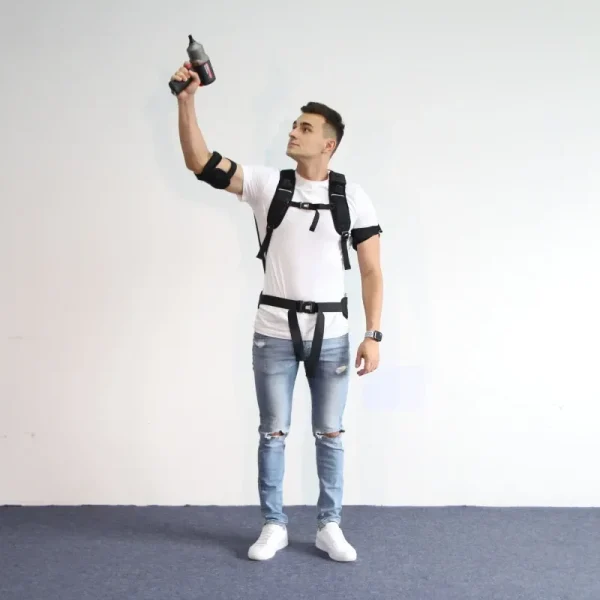
Passive Tool-Holding Arm Exoskeleton for Industrial Work
Spring-powered support for the upper arms
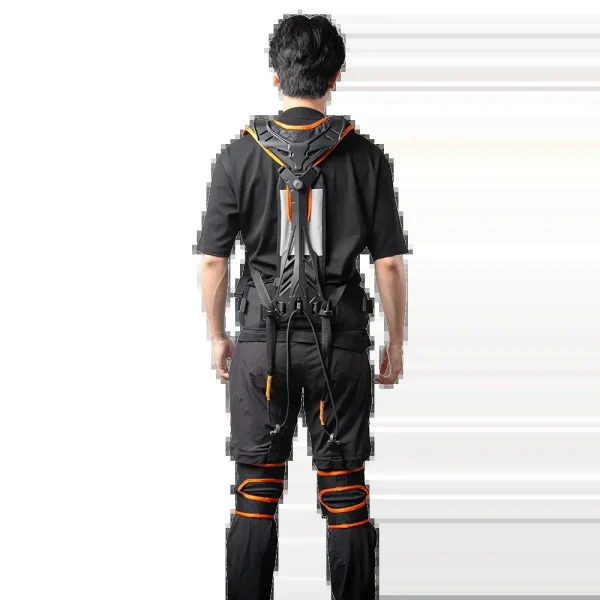
PES-B Energy-Storing Lumbar Exoskeleton for Repetitive Lifting
Passive, energy-storing assist for the lower back
How to choose a exoskeleton
An industrial exoskeleton is a wearable frame that supports your body during lifting, tool holding or repetitive work. Passive models store energy in springs and need no battery.
What to compare
- Support area: lumbar (lower back), upper limb, or back and knee.
- Passive or powered: passive units use springs and have no run time to manage.
- Adjustability: fit for height, waist size and arm length.
- Weight: you wear it all day, so lighter is easier.
- Task match: overhead tool use needs a different design than lifting.
Who it suits and what to check
Warehouse, assembly, construction and maintenance teams use them to reduce strain during repetitive tasks. They are not medical devices unless stated, and they do not replace safe lifting practice.
Before buying, check the size range, the maximum supported tool or load weight, and the work posture it is made for. Consider your employer's safety policy and try it for a full shift if possible. Ask about documents and lead time if you are buying for a company. Product pages list what is in the box.
Before you order
Fit decides everything. A frame that is too long or too short will not support the right muscles, so measure your torso, waist and arm length against the size chart. Try to match the model to one specific task, such as tool holding or repeated lifting. Train everyone who will wear it, and keep to normal safety rules even while wearing the frame.
Questions
Do passive exoskeletons need charging?
No. Passive designs use springs or mechanisms and need no battery. Powered models do, and the page says so.
Can an exoskeleton prevent back injury?
It can reduce load on certain muscles during specific tasks, but it does not remove risk. Follow safe lifting practice.
What is your return policy?
Unused items can be returned within 14 days. Check the product page first, since it lists what is in the box so you can confirm everything is present.